
Steadicam Operator Hiring Guide: 8 Essential Questions for a Great Shoot
A Steadicam operator is one of the few crew members who carries a shot entirely on their own body, using a camera stabilizer worn on a vest and arm to glide through a scene. Hiring the right one, and briefing them well, is the difference between a take you keep and a take you redo. This guide walks producers, directors and DPs through the 8 essential questions to ask before you book, what to send in advance, and how to read a quote.
2026 marks 50 years since the Steadicam first appeared in feature films with Bound for Glory and Rocky. Five decades later, operator-led moves like walk-and-talks and long-take “oners” are still a signature look across streaming, commercials and live events, and they still depend on the person under the rig.
Key Takeaways
The short version: a great Steadicam operator brings more than a rig. Before you book, confirm the sled and payload, shoot-type experience, assistant needs, wireless focus and video, prep and rehearsal time, breaks, communication style and an itemized quote. Send your camera build, shot list and floor plan in advance, and plan oners early in the day.
What Does a Steadicam Operator Do?
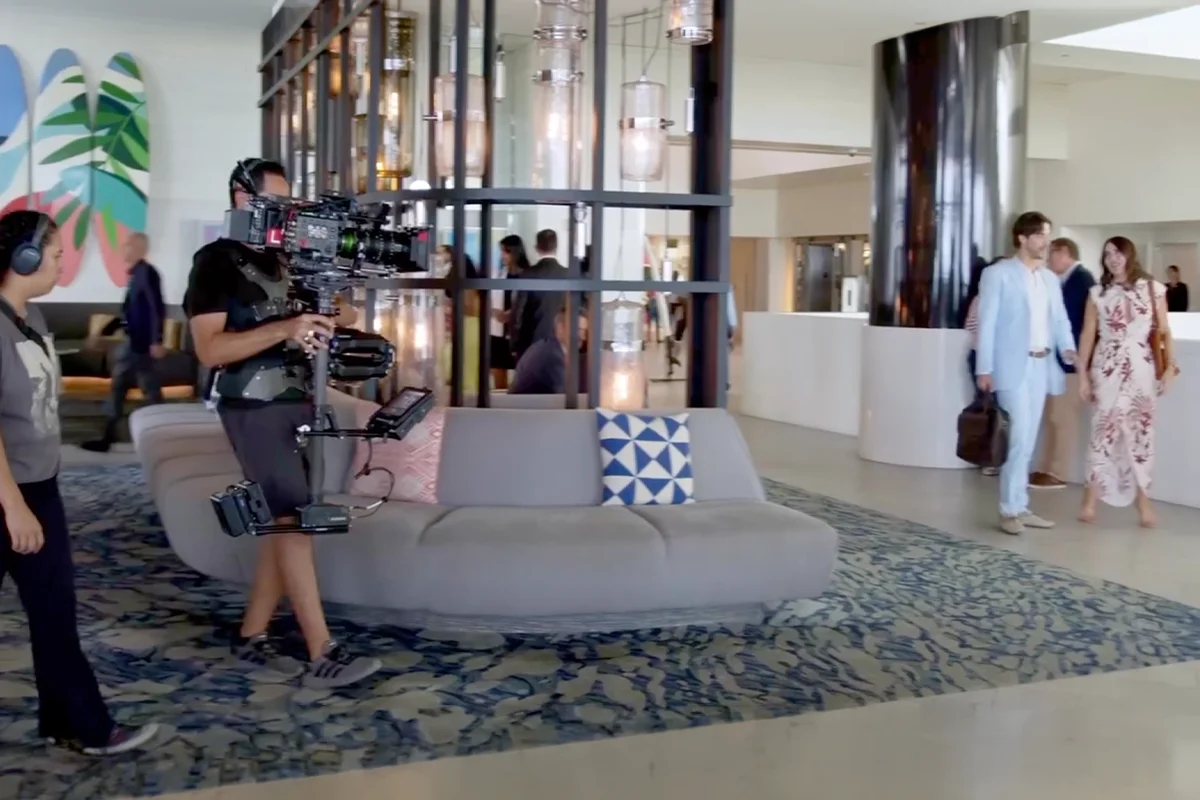
A Steadicam operator wears a support vest connected to a spring-loaded, articulated arm that carries a stabilized camera sled. The operator physically moves through the scene, framing the shot while walking, running, climbing stairs or weaving through a crowd, to capture smooth, floating images that a dolly or handheld camera can’t match.
Before a single take, they balance the sled for the exact camera build (body, lens, matte box, batteries and wireless gear), adjusting static and dynamic balance so the camera holds its horizon. On set, they rehearse moves with the director and actors, hit marks without a track, and coordinate with the focus puller.
Operator vs. Rig: Why the Person Matters More Than the Sled
Anyone can rent a sled, arm and vest. Not everyone can fly one for a four-minute oner without drifting off the horizon. The operator’s balance, stamina, framing instinct and on-set communication determine whether the shot works. That’s the same reason why experienced camera crew matters on every production: gear amplifies skill, it doesn’t replace it.
When Your Production Needs a Steadicam Operator
Not every moving shot needs a dedicated operator. If you’re still deciding on the tool itself, start with our Steadicam vs gimbal comparison. Once you know the shot calls for a Steadicam, the question becomes who will fly it.
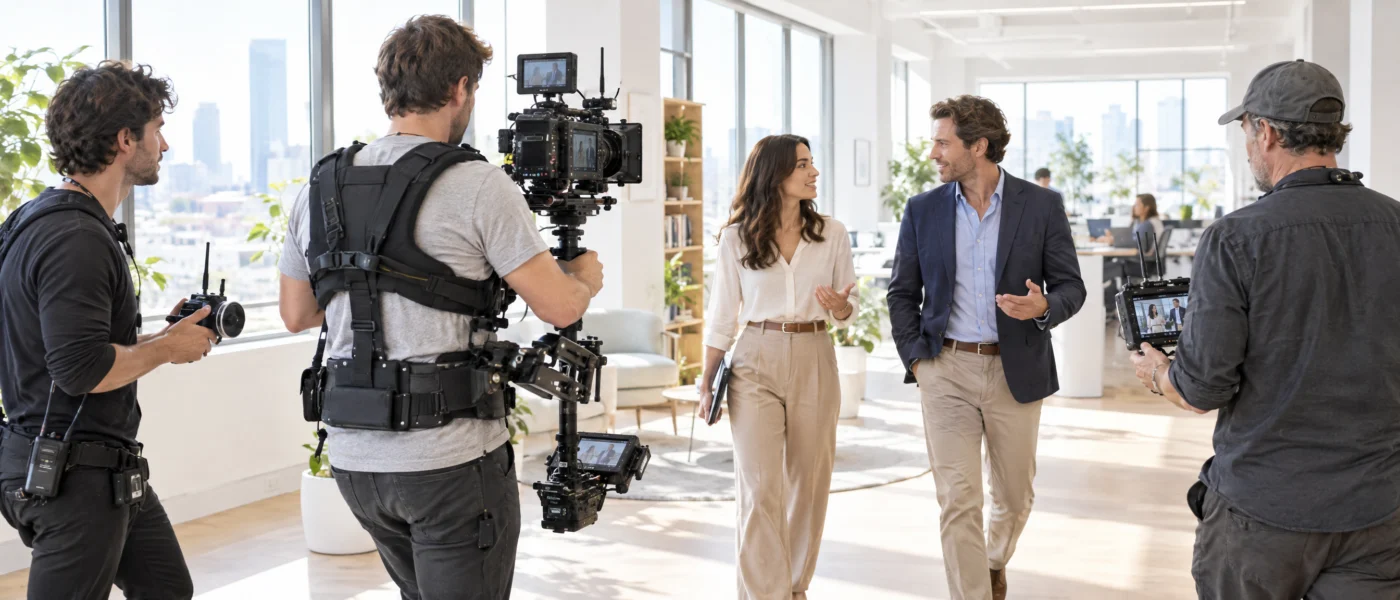
Walk-and-Talks, Oners, Live Events and Tight Interiors
- Walk-and-talks: long dialogue scenes that move through hallways, offices or streets with actors leading the camera.
- Oners and long takes: continuous sequences that pass through rooms, stairwells or crowds without a cut.
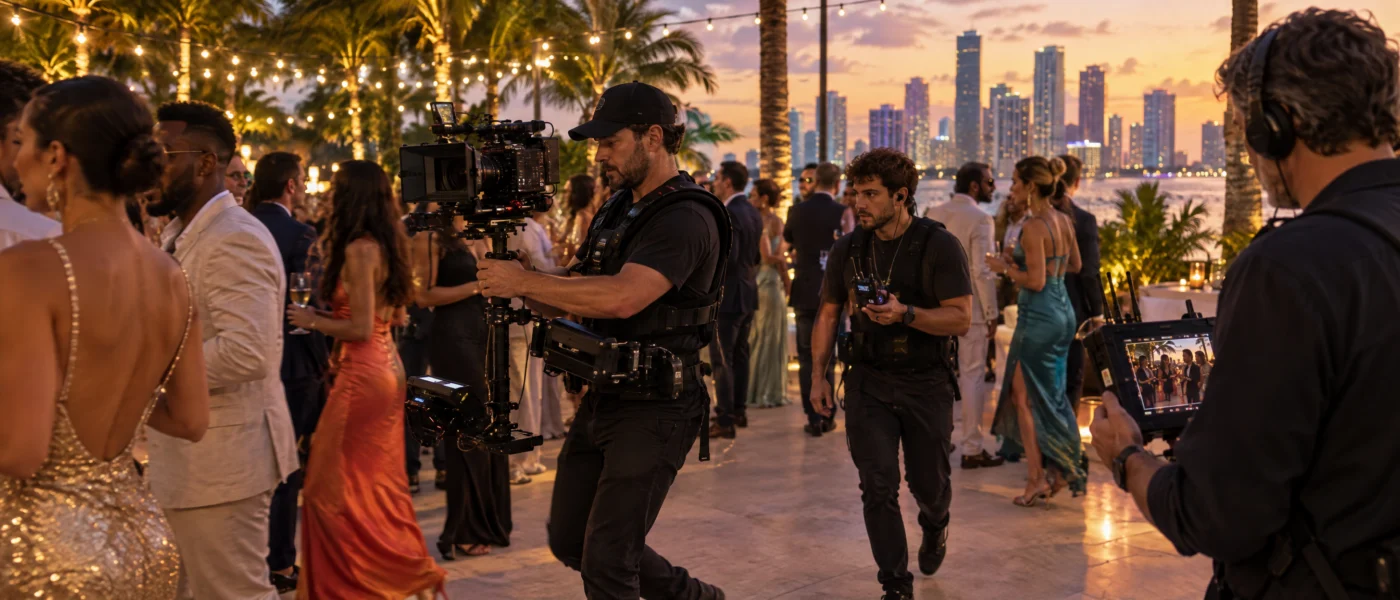
- Live events and broadcast: concerts, galas, award shows and sports sidelines where a roaming camera must stay smooth and unobtrusive.
- Tight interiors: locations where there’s no room to lay dolly track or swing a crane.
- Corporate and brand video: facility tours and executive walk-throughs that need a cinematic, premium feel.
8 Questions to Ask Before You Hire a Steadicam Operator
These are the questions experienced producers ask on the first call. Each answer tells you something about cost, schedule and the quality of the footage you’ll get back.
1. Which Rig, Arm and Vest Do You Fly, and What Payload Can It Carry?
The rig has to carry your full camera build with headroom to spare. A cinema package with a large zoom, matte box and wireless video can exceed what a lighter sled is rated for. Heavier builds call for a system like the Steadicam Phantom-V (up to 72 lb payload), while lighter mirrorless or compact cinema builds may suit a Proline Raven Steadicam. Ask for the rated payload and compare it to your build weight.
2. What Experience Do You Have on This Type of Shoot?
A narrative feature, a live concert and a corporate tour all demand different skills. Ask for a reel with shots similar to yours, and ask about affiliations such as the Society of Camera Operators (SOC) or union membership through IATSE Local 600 if your production is union. Relevant experience shortens rehearsal and reduces takes.
3. Do You Need a Steadicam AC?
A Steadicam assistant builds and balances the rig, manages batteries and cables, spots the operator on stairs or uneven ground and helps them dock between takes. Many professional shoots require one for safety and speed. Smaller corporate or event jobs may run without, but settle it before booking so it’s in the budget.
4. Who Supplies Wireless Follow Focus and Video Transmission?
Because the camera moves freely, focus and monitoring must be wireless. Some operators include a wireless follow focus and video transmitter in their kit; others expect the camera department to provide them. Confirm who brings what, and make sure the transmitter range covers your longest move.
5. How Much Prep and Rehearsal Time Do You Need?
Building and balancing the rig for a new camera configuration takes time, and complex moves need rehearsal with actors and focus. Ask how long the operator needs at call time and whether they want a tech scout. Building this into the schedule protects your shooting day.
6. How Long Can You Hold a Shot, and How Often Do You Need Breaks?
Flying a heavy rig is physically demanding. Operators dock between takes and need recovery time during long days. Ask about their comfortable maximum take length with your build, and plan coverage so the heaviest moves don’t all land at the end of the day.
7. How Do You Prefer to Communicate With the Director and Focus Puller?
The best operators collaborate closely with the director on framing and with the focus puller on marks and timing. Ask how they like to block, whether they use a wireless monitor for the director, and how they handle notes between takes.
8. What Exactly Does Your Quote Include?
Ask for an itemized quote: operator day rate, kit fee, assistant, wireless accessories, overtime terms and travel. An itemized quote lets you compare offers fairly and avoids surprises on the invoice.
Before You Book: What to Send the Operator in Advance
Camera Build Weight, Lens List and Shot List
Send the camera body, lens list, accessories and an estimated build weight so the operator can confirm their rig and plan balance. Add a shot list or storyboard that flags each Steadicam move and its approximate duration.
Floor Plan, Surfaces and Stairs
A floor plan or location photos help the operator anticipate doorways, stairs, gravel, sand or wet floors. These details shape safety planning, whether a spotter is needed and how moves are blocked.
Understanding Steadicam Operator Rates and Quote Line Items
Rates vary by market, union status, experience, project type and what’s included, so there’s no single “standard” day rate. Instead of focusing on one number, understand the line items that make up the quote.
Day Rate vs. Kit Fee vs. Assistant
| Line item | What it covers | Who usually supplies it |
|---|---|---|
| Operator day rate | The operator’s labor for a set day length | Operator |
| Kit fee | Sled, arm, vest, monitor, batteries and docking stand | Operator, or a rental house |
| Steadicam assistant | Rig build, balance, batteries, spotting and docking | Operator’s AC or production |
| Wireless focus and video | Follow focus, transmitter and director’s monitor | Operator or camera department |
| Overtime | Hours beyond the agreed day length | Per agreed terms |
| Travel and per diem | Out-of-area travel, lodging and meals | Production |
Overtime and Travel
Confirm the day length (for example, 10 or 12 hours), the overtime rate and how travel days are billed. When you’re ready for an itemized quote, book a Steadicam operator with MTJIBS and we’ll break down every line item.
Operator With Rig vs. Renting the Rig Separately
In most cases, hiring a Steadicam operator with their own rig is the safer choice. Operators know their own system’s balance, quirks and limits, which saves setup time and reduces risk. Renting the rig separately makes sense when your production needs a specific higher-payload system, or when you’re pairing a Steadicam rental package with an operator the rental company supplies. A full-service camera-movement provider like MTJIBS can deliver both the gear and the operator as one package.
Planning an Oner: How to Set Your Steadicam Operator Up to Succeed
An oner lives or dies on preparation. Walk the full route with the operator, director, focus puller and key actors before cameras roll. Mark handoff points, doorways and any spot where the operator changes direction or elevation. Keep the camera build as light as the look allows, schedule the oner early while everyone is fresh, and budget extra takes. The Steadicam system, invented by Garrett Brown, made these moves possible; a well-briefed operator makes them repeatable.
Steadicam Operator FAQs
A Steadicam operator wears a vest and articulated arm that support a stabilized camera sled, then physically moves through the scene to capture smooth, floating shots such as walk-and-talks, stair climbs and long takes. They balance the rig for each camera build, rehearse moves with the director and actors, and frame the shot while moving.
Rates vary by market, union status, experience and what’s included. A quote usually covers the operator’s day rate and often a separate kit fee for their rig, plus any assistant, overtime and travel. Ask for an itemized quote so you can compare operator-with-rig against renting the rig and hiring the operator separately.
On many professional shoots, yes. A Steadicam assistant helps build and balance the rig, manages batteries and cables, spots the operator on stairs or uneven ground, and helps them dock between takes. Smaller corporate or event jobs may run without one, but discuss it before booking.
Most professionals own their sled, arm and vest and bill it as a kit fee. Wireless focus, video and batteries vary by operator, so confirm the full equipment list before booking.
For short, light moves, sometimes. For long takes, heavy cinema builds and organic, floating movement, a dedicated Steadicam operator is usually the better choice.
MTJIBS provides Steadicam rental packages and experienced operators for film, commercial, corporate and live event productions across Miami and South Florida. Contact our team to check availability for your shoot dates.
Contact us today for a quote on the best professional camera movement & crew rental for your next video production project.