
15 Innovative Camera Movement Trends Every Producer Should Watch in 2026
The way stories are captured is evolving faster than ever. Advances in automation, virtual production, lightweight support systems, and AI-powered workflows are changing how filmmakers, broadcasters, and content creators approach every shoot. While great storytelling will always depend on creative vision, the tools behind the camera are becoming smarter, faster, and more versatile.
If you’re planning productions in 2026 and beyond, understanding today’s camera movement trends can help you make better equipment investments and streamline your workflow without sacrificing creativity.
At MT Jibs, innovation has always centered on helping production professionals achieve dynamic, cinematic movement with reliable equipment designed for today’s demanding productions.
Why Camera Movement Is Entering a New Era
Audiences expect more immersive visuals than ever before. Whether producing feature films, live broadcasts, commercials, documentaries, or digital content, producers are looking for equipment that delivers smooth movement, faster setup, and greater flexibility.
Modern filmmaking trends aren’t just about new cameras—they’re about creating efficient production environments where technology supports creativity.
Here are the innovations shaping the future of camera movement.
Robotic Camera Systems Are Becoming More Accessible
One of the most significant trends in modern video production is the increasing accessibility of robotic camera systems. Once reserved primarily for large studios and high-budget film productions, robotic camera technology has become more affordable and easier to integrate into corporate videos, live broadcasts, product commercials, and virtual production environments. As costs decline and automation becomes more user-friendly, production teams of all sizes are beginning to incorporate robotic systems into their creative workflows.
These systems excel at executing smooth, highly repeatable camera movements with exceptional precision. Whether capturing identical motion-control shots for visual effects, performing complex product reveals, or repeating the same camera path across multiple takes, robotic cameras deliver a level of consistency that is difficult to achieve manually. This repeatability is especially valuable when combining live-action footage with CGI, creating time-lapse sequences, or filming multiple versions of the same scene.
Common applications for robotic camera systems include:
- Virtual production, live broadcasts, studio productions, and motion-control filming that require precise, repeatable camera movements.
- Product commercials, visual effects work, and other productions where consistent camera positioning and identical shot replication are essential.
Rather than replacing skilled camera operators, robotic systems function as powerful creative tools that expand what production teams can accomplish. Cinematographers remain responsible for shot composition, lighting, storytelling, and artistic direction, while robotic technology handles complex or highly precise movements with remarkable accuracy. By combining human creativity with robotic precision, filmmakers can produce more sophisticated visuals, improve production efficiency, and achieve cinematic results that were once possible only with significantly larger budgets.
AI-Assisted Production Is Streamlining Workflows
Artificial intelligence is rapidly becoming an indispensable production assistant, helping creative teams manage many of the time-consuming tasks that occur before, during, and after a shoot. Rather than replacing directors, cinematographers, or production crews, AI enhances efficiency by automating routine processes, organizing production data, and providing valuable insights that support faster decision-making throughout the production lifecycle.
Modern AI-powered production tools can assist with everything from pre-production planning to post-production organization. By analyzing scripts, shot lists, production schedules, and camera data, AI helps crews optimize workflows, improve resource allocation, and reduce administrative tasks that traditionally consume valuable production time. During filming, AI can support camera tracking, subject recognition, and automated metadata generation, making it easier for editors to locate specific scenes and organize footage once production is complete.
Key ways AI is streamlining production include:
- Assisting with shot planning, camera tracking, subject recognition, and automated metadata generation to improve organization and simplify post-production workflows.
- Supporting production scheduling, resource management, and data analysis that help crews work more efficiently while reducing repetitive manual tasks.
As production technology continues to evolve, artificial intelligence is allowing filmmakers to spend less time managing logistics and more time focused on creativity, storytelling, and visual innovation. By automating repetitive processes while leaving artistic decisions in the hands of experienced professionals, AI is becoming a valuable tool that enhances collaboration, improves efficiency, and helps production teams deliver higher-quality content on tighter schedules.
Virtual Production Continues to Expand
Virtual production has moved beyond major studio films and into commercials, television, corporate productions, and independent filmmaking.
Combining LED volumes, real-time rendering, and advanced camera tracking allows filmmakers to create immersive environments with greater creative flexibility.
As cinematic technology continues to mature, virtual production is becoming more accessible to productions of varying sizes.
Remote Camera Operation Is Becoming Standard
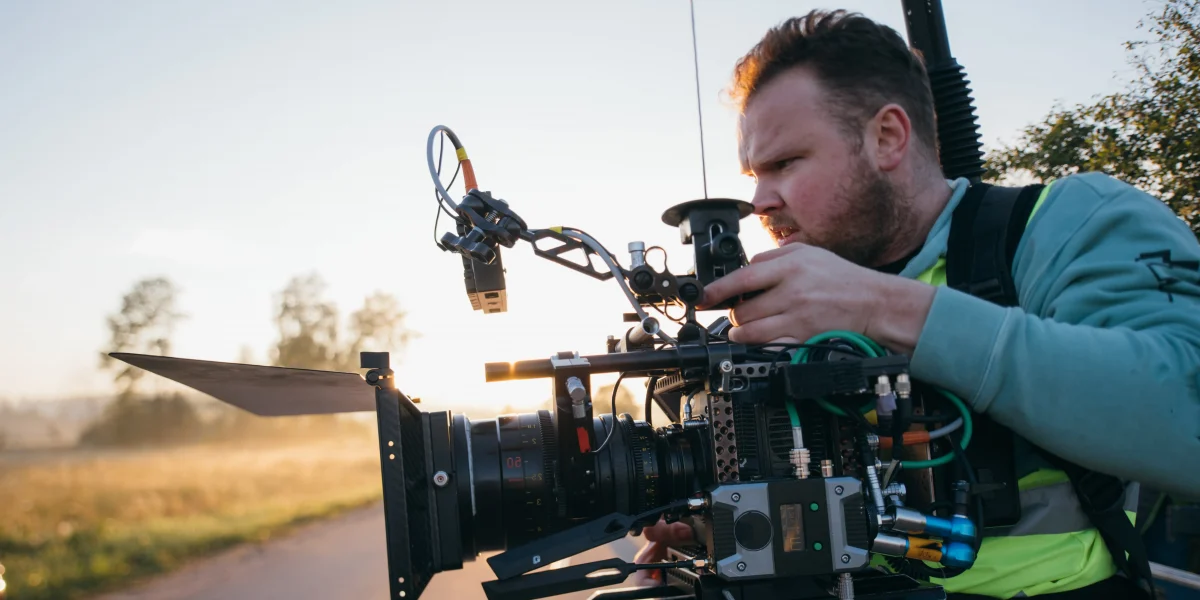
Remote camera operation has become a standard feature of modern filmmaking, live broadcasting, and commercial video production, giving camera operators greater flexibility without sacrificing creative control. Advances in high-speed networking, wireless communication, and robotic camera systems now allow operators to control camera movement, framing, focus, and other functions from virtually anywhere on a production set—or even from a separate control room across the venue. This capability has fundamentally changed how productions are planned and executed, particularly in environments where physical camera access is limited or impractical.
The ability to operate cameras remotely provides significant advantages across a wide range of production scenarios. It enables crews to capture dynamic footage during live events, sporting competitions, and multi-camera broadcasts while keeping operators in safe, centralized locations. Remote operation is also invaluable when filming in hazardous environments, confined spaces, or locations where minimizing crew presence improves both safety and production efficiency. At the same time, broadcast studios and virtual production facilities benefit from the ability to coordinate multiple cameras with exceptional precision from a single control position.
Common applications for remote camera operation include:
- Live events, sports coverage, broadcast studios, and multi-camera productions that require precise coordination across multiple camera positions.
- Hazardous or difficult-to-access filming environments where operators can safely control cameras while maintaining smooth, accurate movement and consistent shot composition.
Rather than replacing skilled camera operators, remote camera technology extends their capabilities by providing greater operational flexibility and creative freedom. Operators remain responsible for framing, timing, and visual storytelling while using advanced control systems to execute precise camera movements from virtually any location. As production technology continues to advance, remote operation is expected to remain an essential component of efficient, safe, and highly coordinated video production workflows.
Lightweight Camera Support Is Improving Mobility
Modern video production often requires crews to move quickly between locations while maintaining the high production quality that clients and audiences expect. Whether filming corporate content, live events, documentaries, or commercial productions, efficiency on set has become just as important as image quality. As a result, lightweight camera support systems have become an increasingly important part of professional production workflows, allowing crews to work faster without compromising stability or creative flexibility.
Advances in materials, engineering, and modular design have made today’s camera support equipment significantly lighter while maintaining the strength and precision needed for professional filming. Lightweight jibs, sliders, tripods, and support systems are easier to transport, faster to assemble, and more adaptable to changing shooting conditions. This mobility enables production teams to transition between locations more efficiently, capture additional shots within limited schedules, and reduce the physical demands placed on operators throughout long production days.
Key advantages of lightweight camera support systems include:
- Faster setup and breakdown, easier transportation, and greater flexibility when moving between indoor studios, outdoor locations, and fast-paced production environments.
- Reduced crew fatigue, improved operational efficiency, and modular configurations that allow the same equipment to adapt to a wide variety of filming scenarios.
Rather than focusing solely on reducing weight, modern equipment manufacturers are designing camera support systems that balance portability with durability, stability, and versatility. As production demands continue to evolve, lightweight, modular solutions are helping filmmakers work more efficiently while delivering the smooth, cinematic camera movement expected in today’s professional video productions.
Real-Time Collaboration Is Changing Production
Cloud-based collaboration is transforming the way video productions are planned, managed, and completed by allowing creative teams to work together regardless of their physical location. Advances in cloud computing, high-speed internet, and secure file-sharing platforms enable directors, producers, editors, clients, and other stakeholders to review footage, provide feedback, and make production decisions in real time. This connected workflow has become increasingly valuable for projects involving distributed teams, multiple production locations, or tight delivery schedules.
Instead of waiting for footage to be transferred or scheduling in-person review sessions, production teams can now upload media, share edits, and collaborate on creative decisions almost immediately after content is captured. Real-time review tools streamline communication by allowing stakeholders to approve shots, suggest revisions, and manage production progress from virtually anywhere. This reduces delays, minimizes miscommunication, and helps keep projects moving efficiently from pre-production through final delivery.
Key benefits of real-time collaboration include:
- Live approvals, immediate feedback, and remote production management that accelerate decision-making and reduce production bottlenecks.
- Cloud-based workflows that improve communication, simplify file sharing, and allow creative teams and clients to collaborate seamlessly across multiple locations.
Although technology has made remote collaboration easier than ever, successful productions still depend on clear communication, creative leadership, and effective project management. By combining cloud-based collaboration tools with experienced production teams, filmmakers can work more efficiently, respond quickly to changing project needs, and deliver high-quality content on increasingly demanding production schedules.
Smarter Motion Control Systems
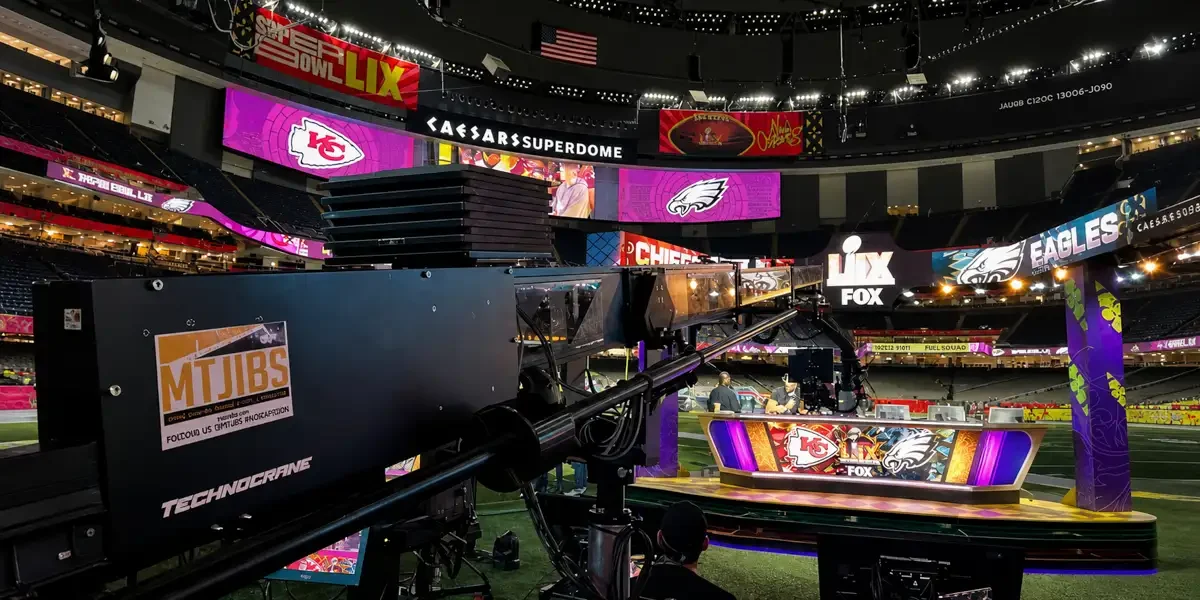
Motion control technology continues to evolve through advances in automation, software, and precision engineering, making sophisticated camera movement more accessible to productions of all sizes. Modern motion control systems enable filmmakers to program complex camera paths with exceptional accuracy and then repeat those movements exactly the same way across multiple takes. This level of consistency is essential for productions that demand precise timing, seamless visual integration, and flawless shot replication.
Today’s systems offer more intuitive programming interfaces, faster setup, and greater flexibility than earlier generations of motion control equipment. Operators can easily adjust camera speed, acceleration, movement paths, and timing to capture dynamic cinematic shots while maintaining repeatable accuracy. These capabilities are particularly valuable when combining live-action footage with computer-generated imagery, filming detailed product demonstrations, or creating layered visual effects that require multiple perfectly aligned camera passes.
Common applications for modern motion control systems include:
- Visual effects, complex compositing, and product cinematography that depend on identical camera movements across multiple takes.
- Food commercials, commercial productions, and other high-end productions where smooth, repeatable camera motion enhances visual consistency and production quality.
Although motion control technology has become more sophisticated, it remains a creative tool rather than a replacement for skilled cinematographers and camera operators. Experienced professionals still determine composition, lighting, pacing, and storytelling, while motion control systems provide the precision needed to execute those creative decisions with remarkable consistency. As interfaces continue to improve and automation becomes more intuitive, motion control is becoming an increasingly practical solution for filmmakers seeking cinematic results with greater efficiency and creative flexibility.
Hybrid Production Workflows Are Here to Stay
Modern video productions rarely rely on a single filming approach. Instead, today’s filmmakers combine multiple production techniques to achieve the best creative and technical results for each project. Advances in camera technology, virtual production, robotics, drones, and cloud-based collaboration have made it easier than ever to integrate different production methods into a seamless workflow. This flexible approach allows production teams to adapt to changing creative requirements, budgets, locations, and schedules without compromising visual quality.
Rather than choosing between traditional filmmaking and emerging technologies, many productions now blend practical location shooting with studio environments, virtual production stages, aerial cinematography, robotic camera systems, and conventional camera support equipment such as jibs and dollies. Each technique offers unique advantages and combining them enables filmmakers to capture dynamic visuals while maximizing efficiency throughout the production process.
Common elements of hybrid production workflows include:
- Integrating practical locations, studio sets, virtual production environments, drone cinematography, and robotic camera systems to create visually compelling and technically efficient productions.
- Combining traditional camera movement tools, such as jibs and other support systems, with advanced digital technologies to provide the flexibility needed for a wide variety of shooting scenarios.
Hybrid workflows are not about replacing traditional filmmaking techniques—they are about expanding the creative toolbox available to production teams. By selecting the most effective equipment and production methods for each scene, filmmakers can improve efficiency, enhance storytelling, and deliver higher-quality content while adapting to the evolving demands of today’s film, broadcast, and commercial production environments.
Broadcast Innovation Is Accelerating
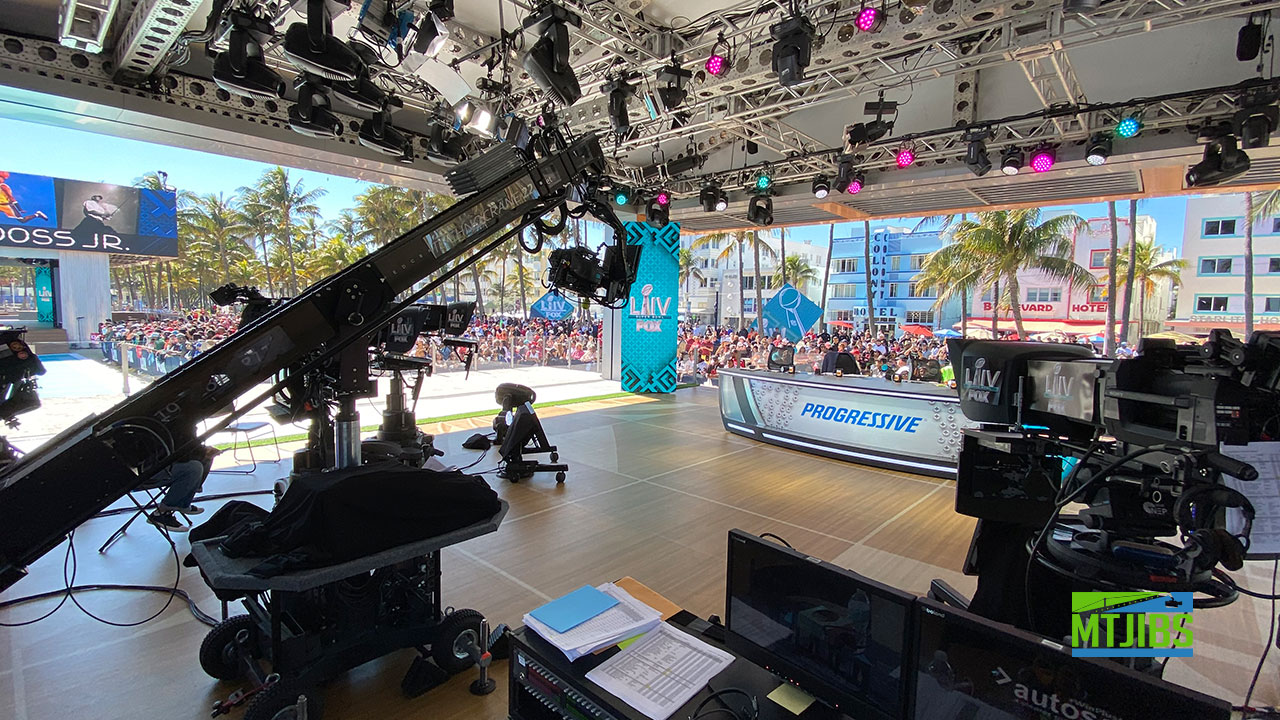
Broadcast technology is advancing at an unprecedented pace, driven by growing audience expectations for high-quality, real-time content across television, streaming platforms, and digital media. To meet these demands, broadcasters are adopting innovative production technologies that improve efficiency, enhance visual quality, and enable more flexible workflows. From live sports and news coverage to entertainment programming and corporate broadcasts, modern production environments increasingly rely on intelligent systems that simplify complex operations while maintaining professional standards.
Automation, artificial intelligence, and integrated production platforms are reshaping how live broadcasts are produced. Automated camera systems can execute precise movements with minimal manual intervention, while remote production technologies allow directors, operators, and technical crews to manage broadcasts from centralized control rooms rather than on location. AI-assisted production tools can help optimize camera selection, organize production data, and support switching decisions, while virtual graphics and integrated control systems create more immersive viewing experiences and streamline coordination across multiple production elements.
Key broadcast innovations include:
- Automated camera systems, AI-assisted production tools, and remote production workflows that improve operational efficiency and support more flexible live broadcasting.
- Virtual graphics, integrated production control, and intelligent workflow management that enhance visual presentation while simplifying coordination between cameras, audio, graphics, and other production systems.
Although technology continues to automate many technical processes, successful broadcasting still depends on the expertise of directors, producers, camera operators, and production crews. These innovations are designed to support—not replace—creative professionals by reducing repetitive tasks, improving coordination, and enabling production teams to focus on delivering compelling, high-quality content to audiences across an expanding range of platforms.
Data-Driven Production Is Improving Efficiency
Modern production teams generate and collect more operational data than ever before, creating new opportunities to improve efficiency across every stage of a project. From equipment checkouts and camera usage to crew schedules, shooting timelines, and post-production workflows, nearly every aspect of production can now be tracked and analyzed. Instead of relying solely on experience or manual reporting, producers and production managers can use data-driven insights to make more informed decisions that help keep projects on schedule and within budget.
By analyzing production analytics, teams can identify patterns that reveal how equipment is being utilized, where scheduling bottlenecks occur, how long specific production tasks typically take, and which workflows create unnecessary delays. These insights allow organizations to allocate resources more effectively, reduce downtime, improve asset management, and streamline coordination between departments. The result is a more predictable and efficient production process that supports both creative and operational goals.
Key areas improved through production analytics include:
- Equipment usage, asset management, and workflow planning that help maximize resources and reduce operational inefficiencies.
- Crew scheduling, production timing, and cross-department coordination that support smoother execution from pre-production through post-production.
While analytics cannot replace the judgment of experienced producers and creative leaders, they provide valuable visibility into how productions are performing. By combining real-world production expertise with accurate operational data, teams can make smarter decisions, improve efficiency, and deliver high-quality content with greater consistency throughout the entire production lifecycle.
Modular Equipment Is Becoming More Valuable
Flexibility has become one of the industry’s biggest priorities.
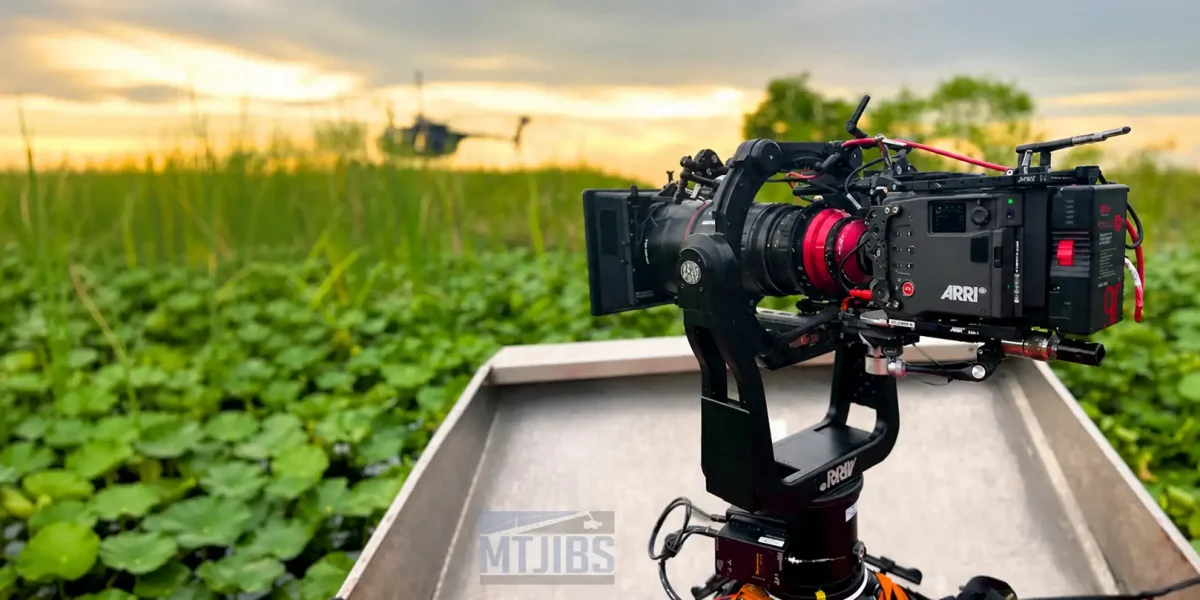
Modular camera movement systems allow crews to adapt equipment for different production environments without investing in entirely separate platforms.
This adaptability supports both creative flexibility and long-term equipment value.
Cinematic Movement Is Reaching More Creators
Technology that was once reserved for major productions is becoming increasingly accessible.
Independent filmmakers, corporate production teams, educational institutions, and content creators now have greater access to professional-grade camera movement tools that deliver cinematic results across a wide variety of budgets.
Sustainability Is Influencing Equipment Design
Manufacturers are placing greater emphasis on equipment that is durable, repairable, and designed for long-term use.
Lighter materials, modular components, and efficient production processes help reduce waste while supporting equipment that can evolve with changing production needs.
Training and Technology Are Advancing Together
As equipment becomes more sophisticated, user experience is becoming a key design priority.
Manufacturers are developing systems with intuitive controls, streamlined setup procedures, and easier integration into existing production workflows, helping crews adopt new technologies with less downtime.
The Future of Filmmaking Will Balance Innovation and Creativity
Technology continues to reshape production, but the most successful filmmakers will be those who combine innovative tools with strong storytelling.
The future belongs to production teams that embrace new workflows while maintaining the creative fundamentals that connect with audiences.
The most impactful camera movement trends will always be those that enhance the story rather than distract from it.
Preparing for the Next Generation of Production
The pace of change in film and broadcast production shows no signs of slowing. Advances in automation, AI, virtual environments, and modular equipment are giving creators more options than ever before.
Rather than replacing traditional filmmaking techniques, these innovations are expanding creative possibilities and allowing production teams to work more efficiently across projects of every size.
For producers, directors, and cinematographers, staying informed about emerging technologies is an important part of planning for long-term success.
Frequently Asked Questions about camera movement trends
What are the biggest camera movement trends?
Some of the most influential camera movement trends include robotic camera systems, AI-assisted production, virtual production, remote camera operation, lightweight modular support equipment, real-time collaboration tools, and advanced motion control. These innovations are helping crews work more efficiently while expanding creative possibilities.
Is robotics replacing traditional equipment?
No. Robotic cameras are designed to complement—not replace—traditional camera support systems. While robotics excel at repeatable or remote-controlled movements, jibs, cranes, dollies, and skilled camera operators remain essential for many productions that require creative flexibility and dynamic movement.
How is AI changing productions?
AI helps production teams automate repetitive tasks such as shot organization, metadata generation, scheduling, subject tracking, and workflow management. These tools improve efficiency and allow filmmakers to dedicate more time to creative decision-making without replacing the expertise of production professionals.
Will virtual production continue growing?
Yes. Virtual production continues to gain adoption across feature films, television, commercials, corporate video, live events, and independent productions. As cinematic technology becomes more accessible, virtual production is expected to remain an important part of modern filmmaking workflows.
What gear should producers invest in?
The right equipment depends on production goals, but many producers prioritize versatile camera movement solutions that can adapt to multiple environments. Modular jibs, motion control systems, lightweight support equipment, remote operation capabilities, and technology that integrates easily with evolving production workflows often provide strong long-term value.
How are broadcasts evolving?
Modern broadcast innovation includes increased automation, remote production capabilities, AI-assisted workflows, virtual graphics, cloud-based collaboration, and integrated control systems. These technologies help broadcasters improve efficiency while delivering engaging live content across multiple platforms.
What trends should filmmakers prepare for?
Filmmakers should prepare for continued advances in AI-assisted production, virtual production, robotics, cloud collaboration, remote operations, modular equipment design, and data-driven workflows. The future of filmmaking will reward production teams that combine emerging technology with strong storytelling and adaptable production strategies.
Stay Ready for the Future of Camera Movement
The next generation of filmmaking will be defined by smarter workflows, flexible production strategies, and equipment that empowers creativity without adding unnecessary complexity. As filmmaking trends, production innovation, and camera equipment trends continue to evolve, investing in reliable camera movement solutions remains essential for producing compelling visual stories.
At MT Jibs, we design professional camera support systems that help filmmakers, broadcasters, and production teams capture smooth, dynamic movement with confidence. Whether you’re preparing for the latest advances in cinematic technology, exploring robotic cameras, or planning for the future of filmmaking, having dependable equipment is the foundation for bringing every creative vision to life.