If you’ve ever felt your heart race while watching a last-second goal or a game-winning touchdown, it’s not just the athletes doing the work, it’s the camera movement bringing you into the action.
Modern sports broadcasting has evolved into a highly technical art form. From lightning fast tracking shots to immersive crane sweeps across stadiums, today’s production teams use advanced tools and techniques to make viewers feel like they’re right there on the field or inside a high-speed race car, as seen in Formula 1 coverage.
Let’s break down the 7 most powerful camera movement techniques shaping today’s sports coverage—and why they matter.
Table of Contents
High-Speed Tracking Shots
When the action moves fast, the camera must move faster.
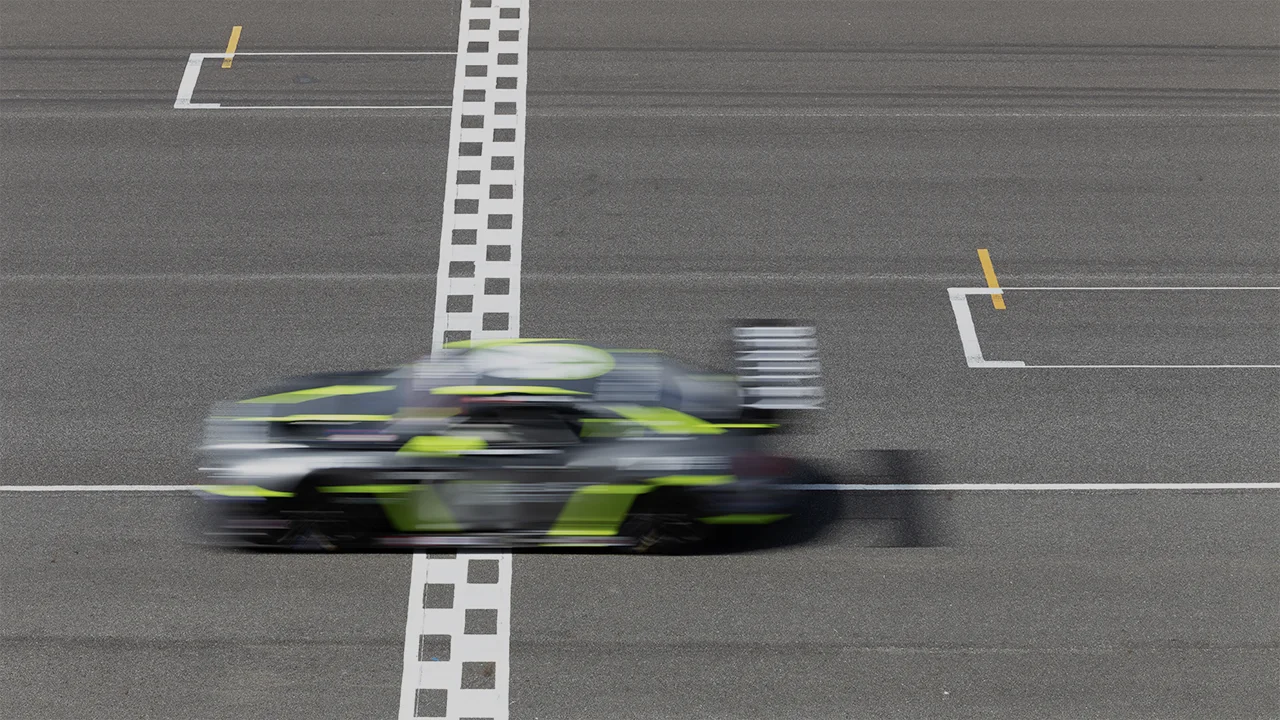
High-speed tracking shots are essential for capturing athletes sprinting down the field or racing toward the finish line. This is especially evident in Formula 1, where cameras track cars traveling over 200 mph with incredible precision. These shots rely on advanced systems—like sideline rails, stabilized rigs, or vehicle-mounted cameras to follow motion smoothly without losing focus.
The key here is fluidity. A shaky or delayed shot can completely break the immersion. That’s why operators use specialized sports filming equipment designed for speed and stability.
Crane Shots in Stadiums
Crane shots are what give sports broadcasts that cinematic, larger-than-life feel.
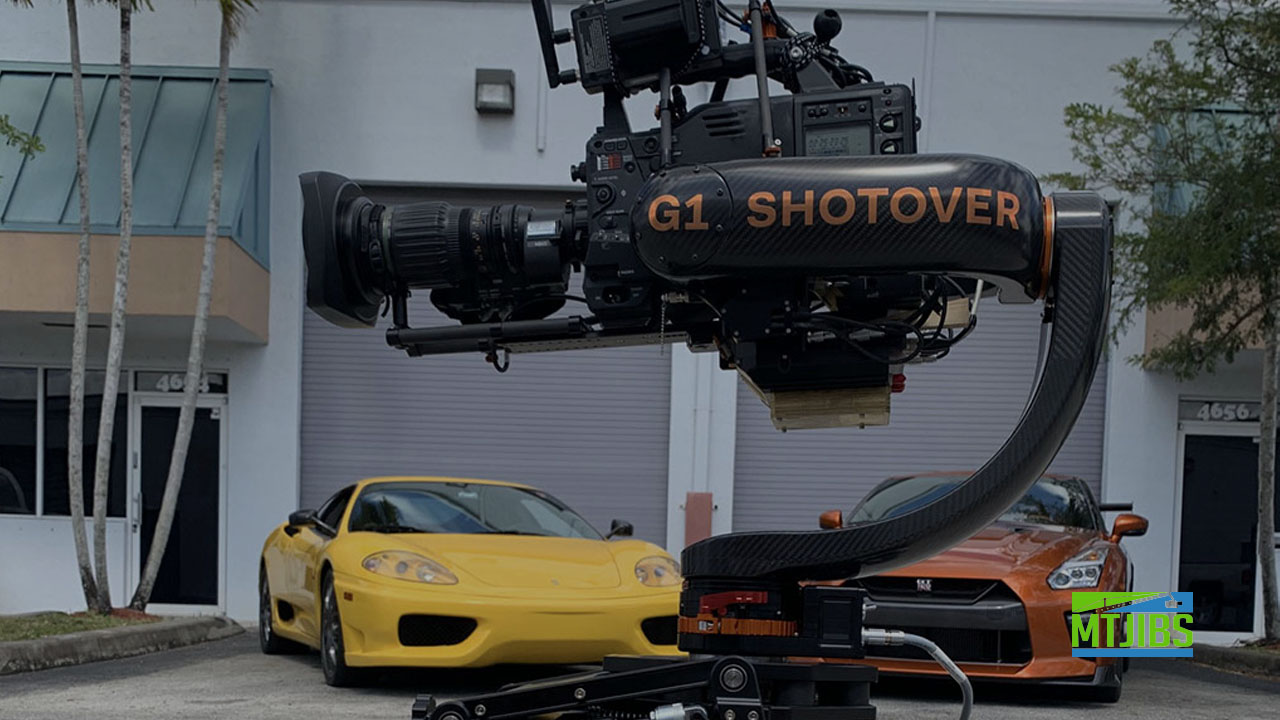
Using large jibs or technocranes, camera operators can sweep across massive stadiums or race circuits, capturing wide angles of the crowd, the field, and the atmosphere all at once. In motorsports like Formula 1, similar sweeping perspectives help establish the scale and complexity of the track.
These shots are often used: • During introductions • After big plays • To establish the scale of the event
They add drama and context, turning a simple game into a spectacle.
Slow-Motion Capture Setups
Not every moment should be fast.
Slow-motion is one of the most powerful tools in sports cinematography. It allows viewers to see details invisible at full speed—like the spin of a ball, the exact moment of impact, or the tire deformation and sparks flying from a car in Formula 1.
These setups use high frame-rate cameras, often shooting hundreds or even thousands of frames per second. The result? Crisp, dramatic replays that enhance storytelling and analysis.
Player-Follow Camera Systems
Ever notice how some shots feel like they’re glued to a single player?
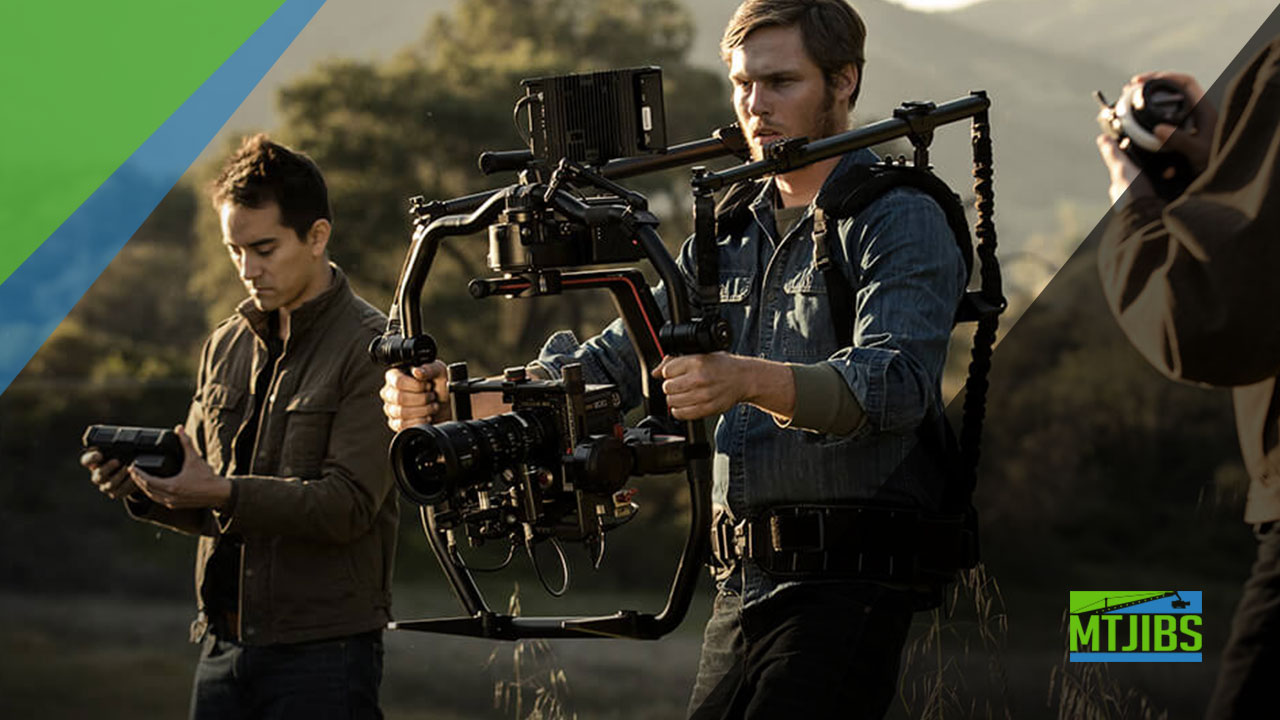
That’s the magic of player-follow camera systems. These setups use advanced stabilization and tracking technology to stay locked onto an athlete as they move across the field.
They’re especially popular in: • Football (tracking quarterbacks or wide receivers) • Soccer (following strikers during attacks) • Basketball (isolating fast breaks)
This technique creates a more personal, immersive viewing experience, helping fans connect with individual competitors.
Replay Technology Integration
Replay isn’t just about showing the same clip again, it’s about enhancing understanding.
Modern replay systems integrate multiple camera angles, slow-motion feeds, and even 3D visualizations. In Formula 1, this often includes onboard cameras, telemetry overlays, and corner-by-corner breakdowns that give viewers unprecedented insight into driver performance.
This is where sports production tools really shine: • Multi-angle synchronization • Freeze-frame analysis • Zoom and tracking overlays
Replay technology transforms raw footage into insight, giving viewers a deeper appreciation of the game or race.
Challenges in Live Sports
Capturing live sports is one of the toughest jobs in broadcasting.
Unlike film production, there are no second takes. Camera crews must deal with: • Unpredictable player movement • Changing lighting conditions • Weather challenges • Split-second decision-making
In global events like Formula 1, crews must also coordinate across massive tracks and multiple time zones, often managing dozens of camera feeds simultaneously.
It’s a high-pressure environment where experience and preparation make all the difference.
Future Innovations
The future of broadcast camera movement is incredibly exciting.
We’re already seeing innovations like: • AI-assisted tracking systems • Drone-based stadium shots • Virtual and augmented reality integrations • Automated camera rigs
Imagine watching a game or race where you can choose your own camera angle in real time. That future isn’t far off.
Final Thoughts
Great sports broadcasting isn’t just about showing the game—it’s about bringing viewers into the experience.
From high-speed tracking shots to cutting-edge replay systems, these techniques combine technology and creativity to capture every moment with precision and emotion—whether it’s a touchdown, a buzzer-beater, or a perfectly executed overtake in Formula 1.
As sports filming equipment continues to evolve, one thing stays constant: the goal is always to make you feel like you’re part of the action.
mtjibs
CAMERA MOVEMENT EQUPMENT Rental in South Florida
Contact us today for a quote on the best professional camera movement & crew rental for your next video production project.